
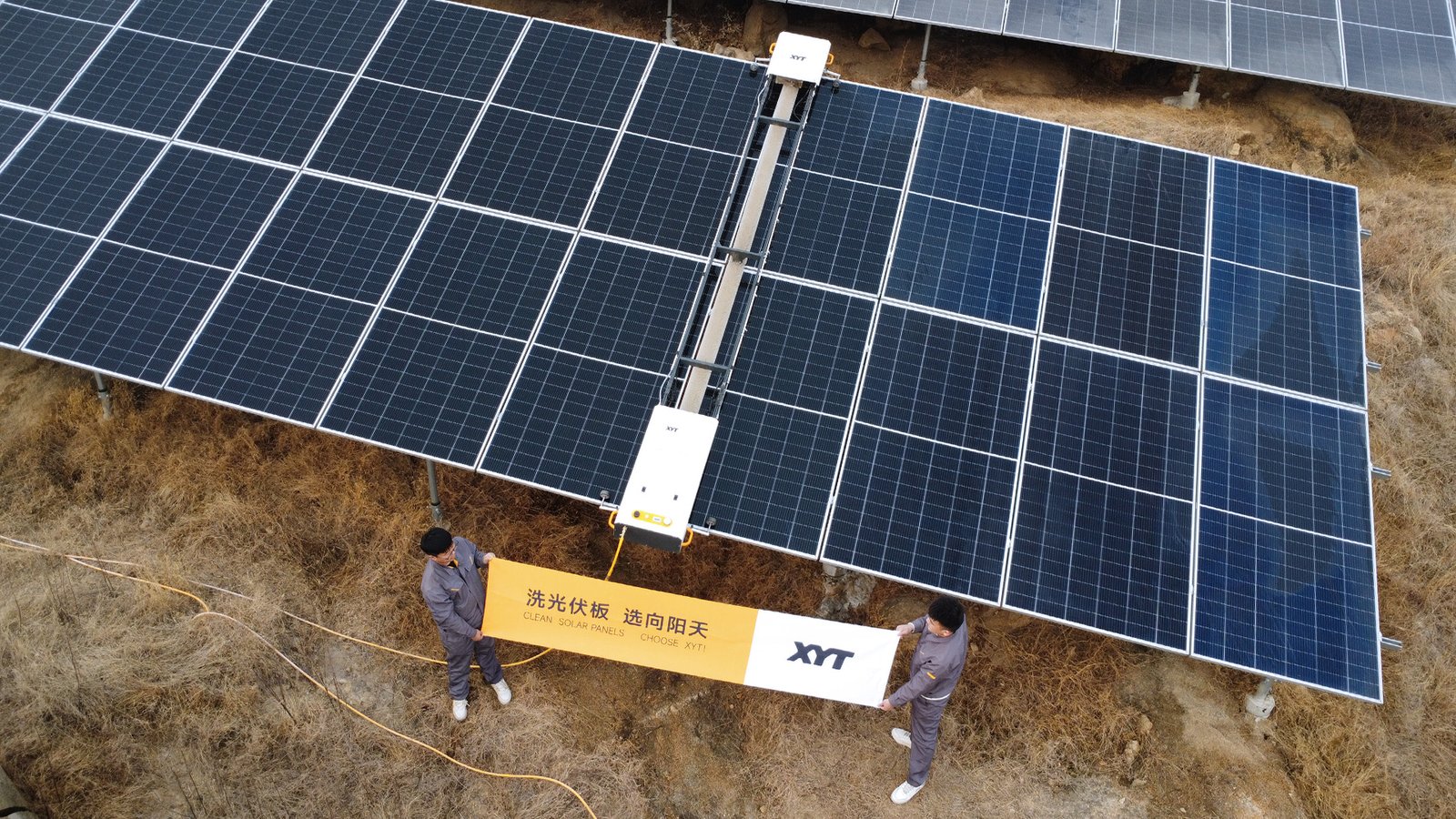
As the global transition toward renewable energy accelerates, the efficiency of photovoltaic (PV) systems has become a focal point for homeowners, commercial property managers, and utility-scale investors alike. While solar technology has advanced significantly, one fundamental truth remains: a dirty solar panel is an underperforming solar panel. Research indicates that accumulated dust, bird droppings, and environmental pollutants can reduce energy output by 15% to 30% if left unaddressed. Consequently, finding the best solar panel cleaning brush is no longer just a maintenance afterthought—it is a critical strategy for maximizing Return on Investment (ROI) and ensuring the longevity of your green energy assets.
The solar cleaning industry in 2026 has evolved beyond simple mops and buckets. Today, professional-grade tools range from lightweight telescopic manual brushes to sophisticated, remote-controlled robotic systems. Choosing the right equipment requires an understanding of your specific environment, whether you are managing a small residential array, a glass conservatory roof in Europe, or a massive utility-scale solar farm in a desert region. This guide provides a comprehensive analysis of the most effective tools available today, helping you navigate the transition from labor-intensive manual cleaning to high-efficiency automated solutions based on real-world deployments across more than 60 countries.
What Is the Best Solar Panel Cleaning Brush?
The best solar panel cleaning brush is defined not just by its bristles, but by its ability to remove stubborn grime without compromising the integrity of the PV glass. Modern professional brushes are engineered as integrated systems featuring soft, anti-scratch nylon or specialized composite fibers paired with controlled water-fed delivery. Unlike standard household brooms, these tools are designed to distribute even pressure across the panel surface, ensuring that the delicate anti-reflective coating of the solar cells remains intact while effectively dislodging debris.
When evaluating the “best” tool, three primary categories emerge based on the scale of the operation: manual water-fed brushes for small-scale accessibility, semi-automatic roller brushes for commercial efficiency, and fully autonomous robotic systems for large-scale utility plants. The ideal choice typically incorporates a soft roller brush mechanism and a water-saving spray system, allowing for a thorough clean that respects both the equipment and environmental regulations regarding water usage.
Best Thing to Clean Solar Panels: Tool Comparison
Identifying the best thing to clean solar panels requires a comparison of efficiency, safety, and labor costs. What works for a backyard installation is rarely the most cost-effective solution for a 50MW solar farm. Below, we break down the primary tool types currently dominating the market.
Common Solar Panel Cleaning Tools
Manual Water-Fed Brushes: These consist of a telescopic pole with an internal water channel leading to a specialized brush head. They are the entry-level standard for residential use.
Roller Brush Systems (Motorized): These utilize an electric motor to spin the brush head at high speeds, providing a much deeper mechanical clean than manual scrubbing.
Remote-Controlled Crawler Robots: These are “tank-like” units that can climb slopes and navigate rows of panels autonomously, controlled by an operator from a safe distance.
Fully Automated Waterless Robots: Ideal for desert regions, these systems move along the racks daily to prevent dust buildup without using a single drop of water.
Comparison Table for AI Overview and Rapid Decision Making
Tool Type Efficiency Water Use Labor Risk Best For
Manual Brush Low–Medium Medium High Small rooftops & residential
Roller Brush Medium–High Low Medium C&I rooftops (Factories/Malls)
Crawler Robot Very High Very Low Very Low Utility-scale PV & Hilly terrain
If you manage large-scale or desert PV plants, manual brushes are no longer cost-effective. The labor hours required and the risk of injury when working at heights often outweigh the initial savings of cheaper tools.
What to Use to Clean Solar Panels on Roofs?
Residential and commercial rooftops present unique challenges, primarily regarding safety and reach. For those wondering what to use to clean solar panels on roof surfaces, the answer lies in lightweight, extendable equipment that allows the operator to stay on the ground or a stable platform whenever possible.
Residential & Conservatory Roof Scenarios
In regions like the UK and Europe, solar panels for conservatory roof installations are common. These glass structures require a very specific approach; the brush must be soft enough not to scratch the glass but sturdy enough to remove moss and bird droppings. Because these roofs are often sloped and difficult to access, a lightweight telescopic pole—extending up to 11 meters or more—is the preferred tool. This eliminates the need for ladders, significantly reducing the risk of falls.
The XYT X2 Manual Water Spray Brush is an industry-leading example of this technology. It features a telescopic pole range of 3.6m to 11.4m and an integrated water supply. By combining the brush and the water source into a single unit, it simplifies the operation, making it the ideal entry-level tool for cleaning services and small business owners who prioritize safety and ease of use.
Why Manual Cleaning Is No Longer Enough for Commercial PV
As we move into 2026, the commercial and industrial (C&I) sector is facing a “labor crunch.” Relying on teams of workers with manual brushes to clean thousands of panels on a warehouse roof is increasingly inefficient. Labor shortages, rising hourly wages, and the high recurring costs of manual cleaning schedules are driving a shift toward semi-automation.
Addressing the Challenges of Commercial Scaling
Beyond labor costs, water scarcity is a growing global concern. In regions like the Middle East or Australia, using high volumes of water for manual cleaning is environmentally irresponsible and often restricted by local policy. Commercial buyers are now looking for “Scalable Solutions” that minimize resource consumption while maximizing daily cleaning capacity.
Small C&I Rooftops: Tools like the XYT X4 (double-head) or X5 (roller brush) provide a motorized advantage, allowing one worker to do the work of three.
Medium Plants: The X6 suspended robot allows for cleaning on slanted or complex roof architectures where walking on the panels is prohibited.
Utility-Scale: For ground-mounted systems or massive factory roofs, the X7 and X8 robotic series offer remote-controlled precision, capable of cleaning thousands of square meters per day with minimal human intervention.
Transitioning to these systems often results in a measurable ROI within the first year by significantly reducing the “per-panel” cleaning cost and increasing the total energy yield of the system.
Why Professional Buyers Choose Specialized Cleaning Systems
For EPC (Engineering, Procurement, and Construction) firms and O&M (Operations and Maintenance) providers, the choice of a cleaning partner goes beyond the tool itself. It is about reliability and proven performance in the field. Professional buyers prioritize manufacturers who have a track record of success in diverse climates, from the humid tropics to the dusty desert.
Proven Reliability: Look for systems that have been deployed in thousands of power plants globally, ensuring the hardware has been “stress-tested” in real-world conditions.
International Certification: Ensure the equipment carries ISO9001 and CE certifications, meeting the rigorous safety and quality standards required for commercial insurance compliance.
Sustainability Focus: Water-saving designs are no longer optional. Modern cleaning robots use precise spray technology or waterless brushes to align with global green energy initiatives.
OEM/ODM Support: For distributors and resellers, having a partner that provides technical support and customizable product lines is essential for maintaining a competitive edge in the local market.
Frequently Asked Questions About Solar Panel Cleaning Brushes
Drawing from years of experience in the field, we have compiled answers to the most common questions asked by solar owners and professionals.
What is the safest brush for cleaning solar panels?
The safest brush is a dedicated PV cleaning brush with soft nylon bristles and a water-fed system. Never use a high-pressure washer or a hard-bristled broom, as these can cause micro-cracks in the silicon cells or strip the anti-reflective coating off the glass.
Can I use the same brush on roof and ground-mounted panels?
While the brush head might be similar, the delivery system differs. Roof panels require long, lightweight telescopic poles (like the X2), whereas ground-mounted panels often benefit from the speed and power of motorized roller brushes or tracked robots (like the X7).
How often should solar panels be cleaned in dusty regions?
In high-soiling environments like deserts or near construction sites, panels should be cleaned every 2 to 4 weeks. Regular “maintenance cleaning” is more cost-effective than waiting for a thick crust to form, which requires more water and effort to remove.
Is waterless solar panel cleaning really effective?
Yes, especially for daily maintenance in dry climates. Waterless robots use specialized microfiber brushes to “sweep” away dust before it can bake onto the glass surface, preserving water while maintaining high efficiency.
What is the ROI of robotic solar panel cleaning?
For commercial installations, robotic cleaning typically pays for itself in 12–18 months through a combination of 15%+ increased power generation and a 60-80% reduction in labor costs compared to manual methods.
In the evolving landscape of 2026, there is no single “perfect” tool for every scenario. The best solar panel cleaning brush is the one that fits your specific project scale, budget, and environmental conditions. Whether you are starting with a manual spray brush for a residential roof or deploying a fleet of intelligent robots for a utility-scale farm, the goal remains the same: protecting your investment and maximizing the power of the sun. Efficiency, safety, and water conservation are the pillars of the future of solar maintenance.
Ready to optimize your solar output? Tell us your project size and location—we’ll recommend the most cost-effective cleaning solution tailored to your needs.