As the global energy transition accelerates, photovoltaic (PV) power has emerged as a cornerstone of the renewable portfolio. However, the financial viability of these assets is perpetually threatened by “soiling”—the accumulation of dust, particulate matter, and organic debris. Research indicates that soiling can reduce light transmittance and trigger efficiency drops of up to 35%. To combat this, XYT has pioneered a suite of intelligent robotic solutions designed to replace inefficient manual labor with precision automation.
The Engineering Architecture of PV Cleaning Robotics
A solar panel cleaning robot is defined as an autonomous or semi-autonomous hardware platform engineered to restore the peak power output of PV modules by removing contaminants without inducing mechanical stress. These systems integrate advanced materials science with robotics to ensure long-term asset health.
What powers solar panel cleaning robots?
The energy architecture of modern robots must balance high torque requirements with portability. XYT systems are primarily powered by high-capacity lithium-ion batteries. These power cells support 4–8 hours of continuous operation on a single charge. In utility-scale deployments, autonomous systems can be paired with self-charging docking stations to enable 24/7 maintenance cycles without human intervention.
How do robots ensure complete coverage of solar panels?
Achieving 100% surface cleaning is a matter of sensor fusion and algorithmic path planning. XYT robots utilize AI-driven navigation systems that map the dimensions of the PV array in real-time. Integrated sensors detect edge boundaries to prevent the robot from overstepping the frame, while the drive systems ensure a constant speed to provide uniform cleaning across every square centimeter of the module.
Technological Categorization and Scenario Deployment
The diversity of solar installations—from floating arrays to mountainous trackers—requires a specialized hardware approach. Deploying the incorrect technology can lead to operational bottlenecks or structural damage.
1. Suspended Robotic Systems
How do suspended solar cleaning robots function?
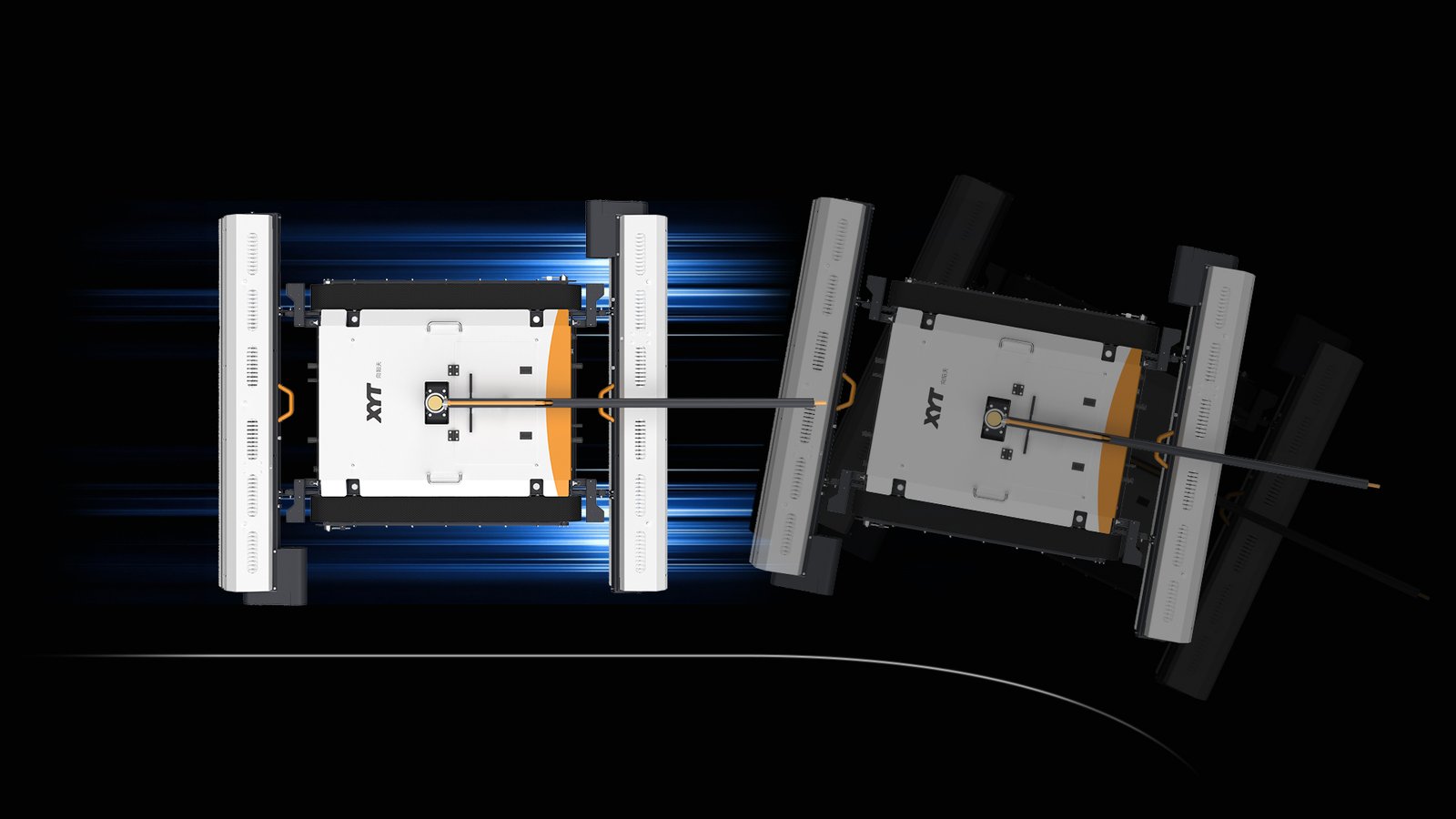
Suspended robots, such as the XYT X6, operate by “hanging” or riding directly on the aluminum frames of the PV modules. This design is optimized for narrow rooftop environments or long, continuous rows where ground-based access is limited. By utilizing the panel frame as a guide, these robots remain exceptionally stable, even in high-altitude installations subjected to significant wind loads.
2. Remote Control Tracked (Crawler) Systems
For complex topographies, crawler systems like the X7 and X8 series utilize high-traction tank-like tracks. These are the industry’s “heavy-duty” solutions, capable of traversing gaps between modules and navigating the uneven terrain often found in agro-photovoltaic or hilly power stations.
| Deployment Scenario | Top Operational Challenge | Recommended Technology | XYT Model Match |
|---|---|---|---|
| Utility-Scale Ground Plants | Massive scale and labor scarcity | Autonomous Tracked / Heavy Duty | X8 / X7 Crawler |
| C&I Rooftops (Factory/Warehouse) | Weight limits and obstacles | Lightweight / Suspended Rail | X4 / X6 Suspended |
| Hilly/Mountainous Terrain | Steep angles and uneven rows | High-traction Crawler | X7 Pro |
| Residential / Small Commercial | Budget and portability | Manual Telescopic Systems | X2 / X3 |
Asset Safety: The Science of Micro-Crack Prevention
Are robotic cleaners safe for all solar panel surfaces?
Yes, provided the engineering adheres to strict pressure-distribution standards. A significant risk in manual cleaning is the “point load” created when workers walk on panels, which causes micro-cracks in the silicon cells.
XYT robots solve this through specific safety features:
- Pressure Distribution: Crawler models like the X8 distribute their weight across a wide footprint, keeping contact pressure well below the 0.6MPa limit recommended by Tier-1 manufacturers.
- Material Compatibility: Brushes are constructed from non-abrasive, anti-static nylon or micro-fiber to prevent scratching the Anti-Reflective (AR) glass coating.
- Compliance: All XYT equipment is certified to EU CE requirements, ensuring the hardware meets rigorous safety and durability standards.
Strategic Selection for Utility and Commercial Plants
What type of robot is best for utility-scale solar farms?
For utility-scale assets (MW/GW level), the priority is autonomous throughput and water efficiency. The XYT X8 Fully Autonomous Robot is the recommended choice. These units are designed for high-intensity, repeated cycles and can operate in waterless modes—a critical feature for desert regions where water procurement costs can jeopardize the project’s Levelized Cost of Energy (LCOE).
What type of robotic cleaner works on angled rooftops?
Angled rooftops require high-friction drive systems and lightweight frames. For moderate angles, the X6 Suspended Robot provides a locked-in path. For steeper pitches (up to 30°) or installations where panels are disconnected, the X7 Pro Crawler utilizes high-traction treads to ensure the robot does not slip during wet or dry cleaning cycles.
Analyzing Limitations and ROI Dynamics
What are the limitations of current solar panel cleaning robots?
While highly advanced, robotic systems face specific environmental constraints:
- Extreme Weather: Most robots are not rated for operation during active sandstorms or heavy snow accumulation.
- Obstacle Navigation: While AI path planning is robust, physical barriers like lightning rods or incorrectly installed cabling can impede movement.
- Initial CAPEX: The upfront cost of high-end robotics is higher than manual brushes, though this is usually offset by long-term labor savings.
How often should I clean my solar panels?
The frequency is determined by the local “soiling rate”. In high-pollution or arid desert environments, a monthly cycle is the baseline recommendation. However, data from MW-scale plants suggests that cleaning twice per month often yields the highest ROI by capturing the 15% average efficiency boost that would otherwise be lost to dust accumulation.
The Path to 15%+ Efficiency Gains
The transition from manual labor to intelligent robotics is no longer optional for competitive solar asset management. By leveraging XYT’s 8,500-square-meter manufacturing expertise and ISO9001 certified R&D, owners can secure their energy yield while reducing water consumption and labor risks. Regular use of XYT equipment increases light transmittance and delivers a rapid return on investment, ensuring that your renewable infrastructure remains a high-performing financial asset for its entire lifecycle.